
on 9 Apr 2026
Chloe Harvey of Green Fins is on a mission to protect coral reefs through improving compliance among the tourism industry.
Established in 2004 and managed by UK-based charity the Reef-World Foundation, Green Fins delivers the world’s first independent certification scheme for dive and snorkel operators, which aims to significantly reduce the environmental impact of marine-based tourism. What began as a localised initiative has since evolved into a globally recognised standard.
In recent years, Green Fins has shifted from manual assessments to a digital-first approach, enabling greater scalability, more data-driven conservation outcomes, and empowering the diving industry and coastal communities to reduce pressure on coral reefs.
Tell us how Green Fins works
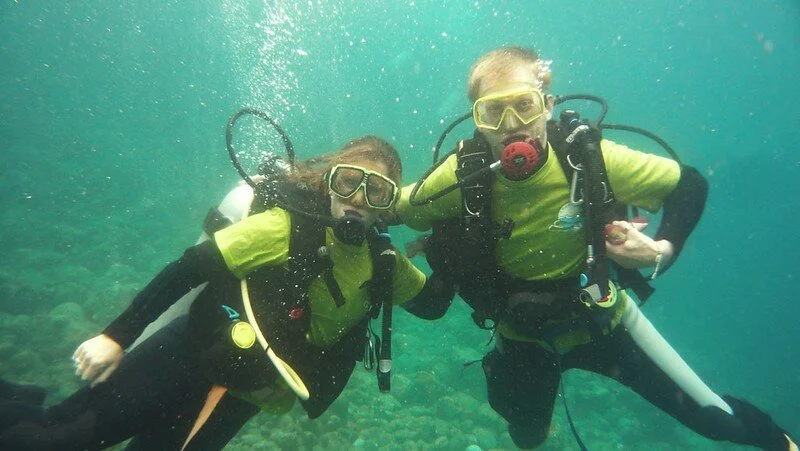
Green Fins acts as a management system that helps dive and snorkel operators embed sustainability into their everyday business practices. Operators commit to a 15-point Code of Conduct designed to reduce their environmental footprint and address the most damaging activities affecting marine habitats, including anchoring on reefs, fish feeding, touching marine life and chemical discharge.
For dive professionals, we provide training to help them manage guests underwater in ways that minimise physical damage to reefs. For divers, the programme acts as a trusted seal of approval, making it easier to identify operators that adhere to internationally recognised environmental standards.
You offer both Certified and Digital Green Fins membership. Can you explain the difference?
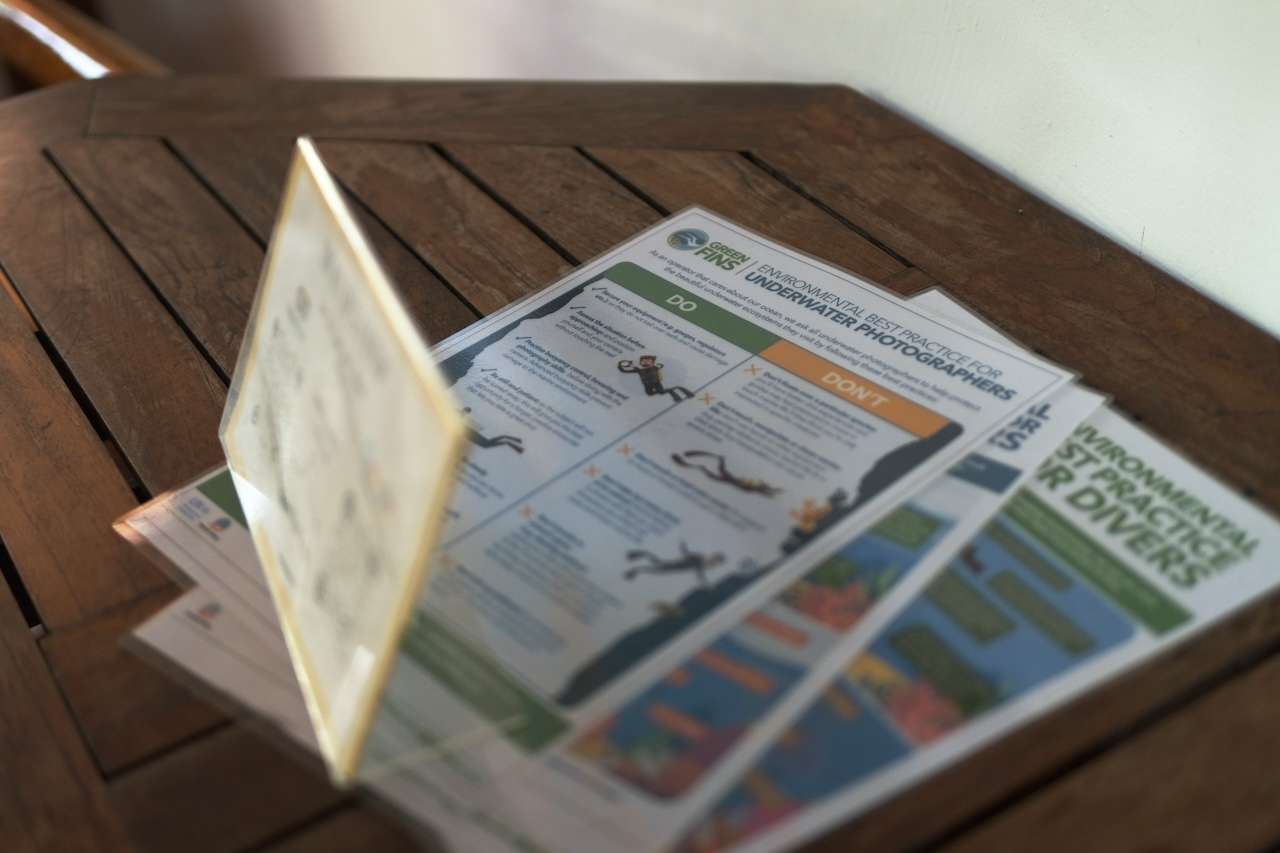
Certified membership involves an annual in-person assessment conducted both above and below the water by a trained Green Fins assessor, who evaluates the operation and provides a one-on-one consultation. Digital membership, delivered via the Green Fins Hub, enables operators in locations without active assessor teams to participate through online self-evaluations. Members commit to the Code of Conduct, receive an immediate environmental score and track their progress over time. Both pathways require operators to develop an action plan to reduce their environmental impact, ensuring measurable and sustained improvement.
You promote low-cost alternatives to harmful practices. What initiatives are currently in place?
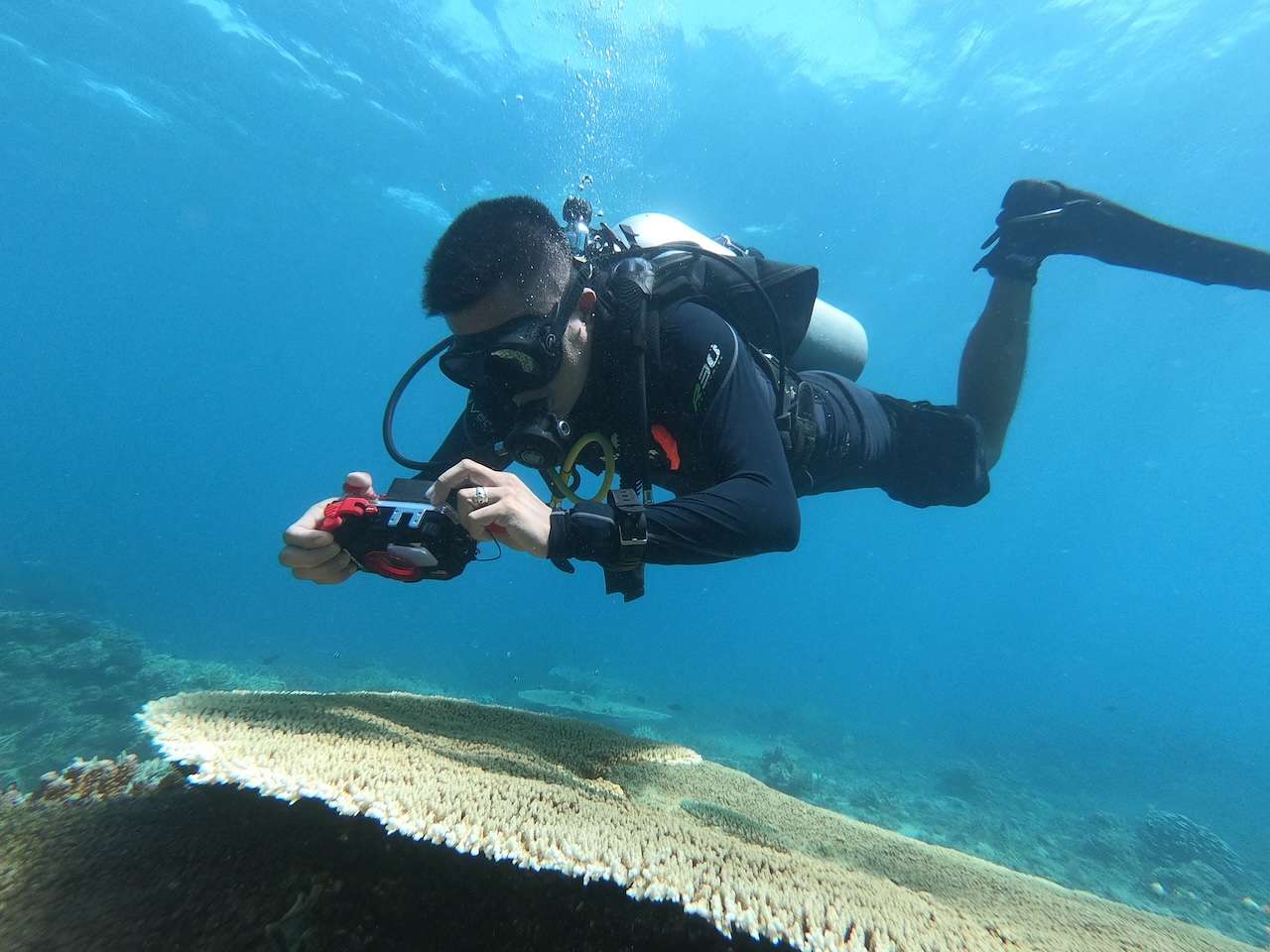
A key focus is preventing anchoring damage through the promotion of mooring buoys. We provide guidance on deploying and maintaining moorings, as well as support to strengthen policy or legislation around mooring buoy programmes. We have also implemented no-fish-feeding and no-touching policies to protect marine life and maintain ecological balance.
More recently, we have prioritised reducing chemical pollution from sunscreens and cleaning products by raising awareness of their risks and encouraging the use of reef-safe alternatives. Alongside this, we are working to improve waste management systems on dive boats and in land-based facilities to reduce pollution and ensure safe disposal.
Green Fins also takes a bespoke, location-specific approach that accounts for local language, environmental pressures and available resources, making the programme adaptable and scalable worldwide. There is further potential to extend these principles to other marine activities, including freediving and sailing, with a dedicated snorkelling programme currently in development.
There is also scope to transfer the principles to other marine activities such as freediving and sailing; we are already developing a new programme for snorkelling.
What are the key environmental threats that Green Fins is currently focused on addressing through sustainable marine tourism?
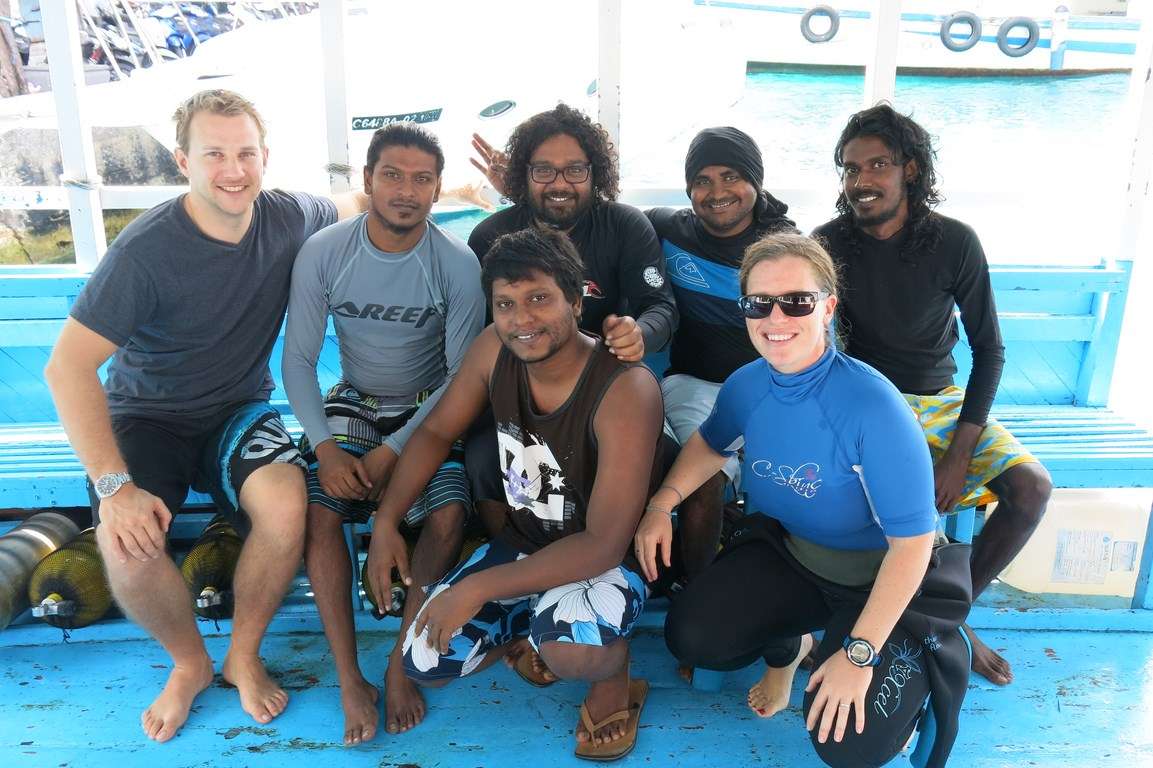
The primary threats remain direct physical damage to coral reefs caused by fins and anchors. Pollution, specifically plastic waste and chemical runoff, is another major concern, as is ecological disruption caused by activities like fish feeding and species manipulation.
What role does the Green Fins Hub and Community Forum play?
Key features and roles of the hub include environmental tracking, which enables operators to monitor their environmental scores, providing visibility into areas where they are showing progress or need further improvement. Operators in locations without active in-person assessor teams use the hub to perform online self-evaluations, commit to the Code of Conduct, and receive an immediate environmental score.
The Green Fins Community Forum, meanwhile, enables operators to exchange practical solutions for environmental challenges: a dive shop in Thailand may share sustainable waste management strategies with a shop in the Philippines, for example.
What have been some of the biggest success stories for Green Fins in the Asia Pacific region?
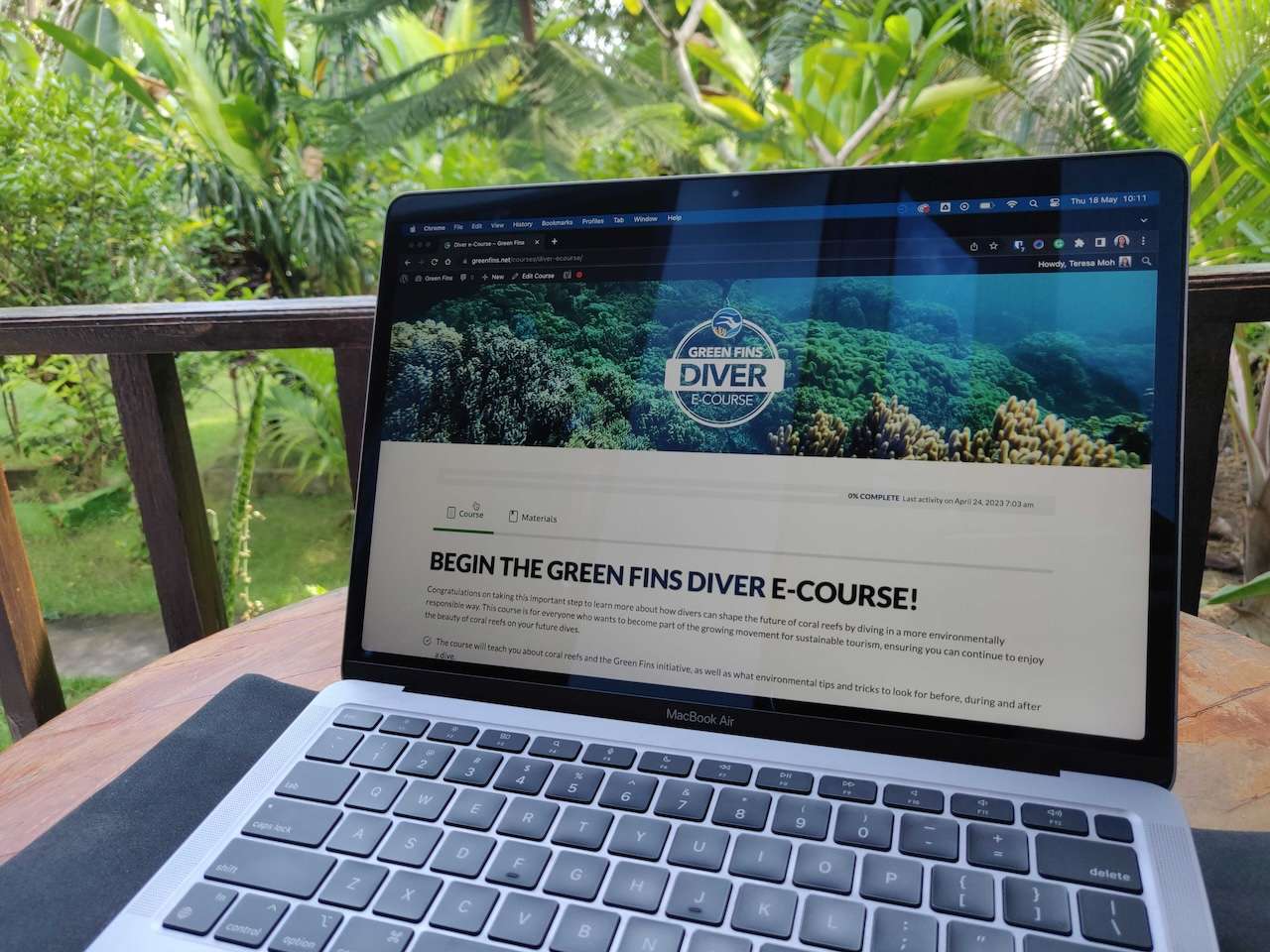
From our beginnings in Thailand back in 2004, the programme expanded to Indonesia, Malaysia and later to Vietnam and the Maldives through regional grants. The launch of the Green Fins Hub in 2022 marked a major step forward, enabling broader participation through digital membership.
A major milestone has been advancing the integration of Green Fins into national government frameworks. In 2025, a key national workshop in Indonesia explored a roadmap for implementation, sustainable financing, and alignment with the Ministry of Marine Affairs and Fisheries’ Blue Economy strategy and related marine protected area visions, ensuring stronger long-term institutional support.
What measurable impact has Green Fins achieved here?
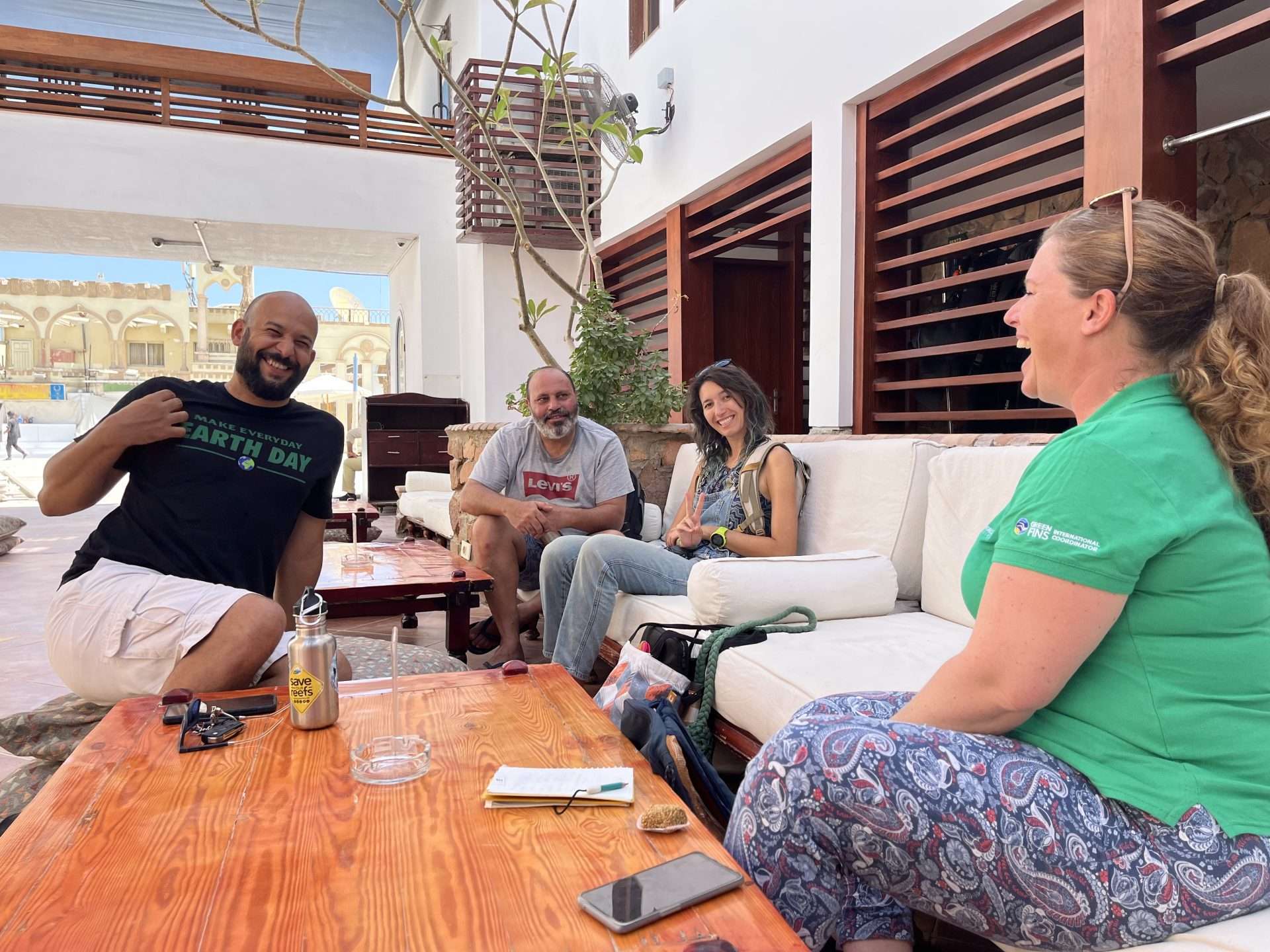
Annual assessments consistently demonstrate reductions in environmental threats, with participating members achieving an average 20–26 per cent reduction since joining the programme. During the 2024–2025 period, several Asia-Pacific members — including Bubbles Dive Centre and Sipadan in Malaysia, Ceningan Divers in Indonesia and Evolution Diving Resort in the Philippines — achieved a “0 per cent risk to reefs” score.
Green Fins has also delivered direct physical protection for reefs. In Puerto Galera, collaboration between Green Fins supporters and the local government successfully halted a mooring buoy scheme that would have damaged a critical mandarin fish mating site.
How is compliance monitored?
Compliance is measured through an Environmental Impact Score, with lower scores indicating a smaller environmental footprint. Results from annual assessments show that operators who remain engaged with the programme consistently improve over time, demonstrating long-term behavioural change.
How does Green Fins work with governments and NGOs?
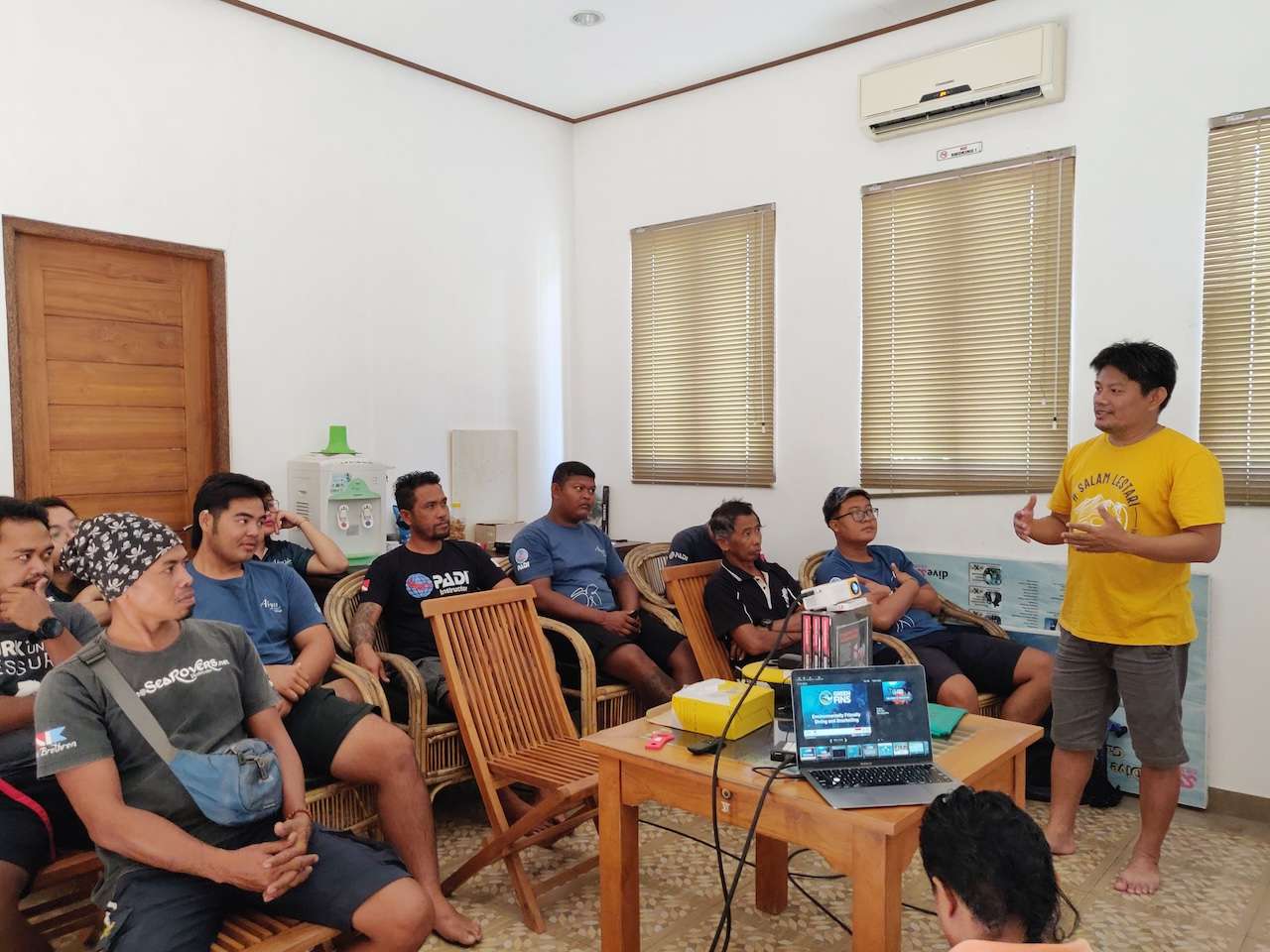
Green Fins collaborates with governments to embed its standards into local legislation or permit requirements, creating a top-down framework that supports bottom-up change by operators. As a programme of The Reef-World Foundation, Green Fins also benefits from strong international NGO networks, helping to strengthen policy, enforcement and long-term marine conservation outcomes.
What sustainability challenges do operators face in the Asia-Pacific region?
Waste management and limited recycling infrastructure remain major challenges, alongside managing guest expectations around touching or feeding marine life. Green Fins addresses these issues through guest education, practical guidance and low-tech solutions, such as DIY cleaning products, that can be implemented even where infrastructure is lacking.
For more Blue Planet coverage, click here.