
on 17 Jun 2026
The World Economic Forum predicts by 2050 there will be more plastic than fish (by weight) in the earth’s oceans. Meet the people of Tonga determined to do something about that.
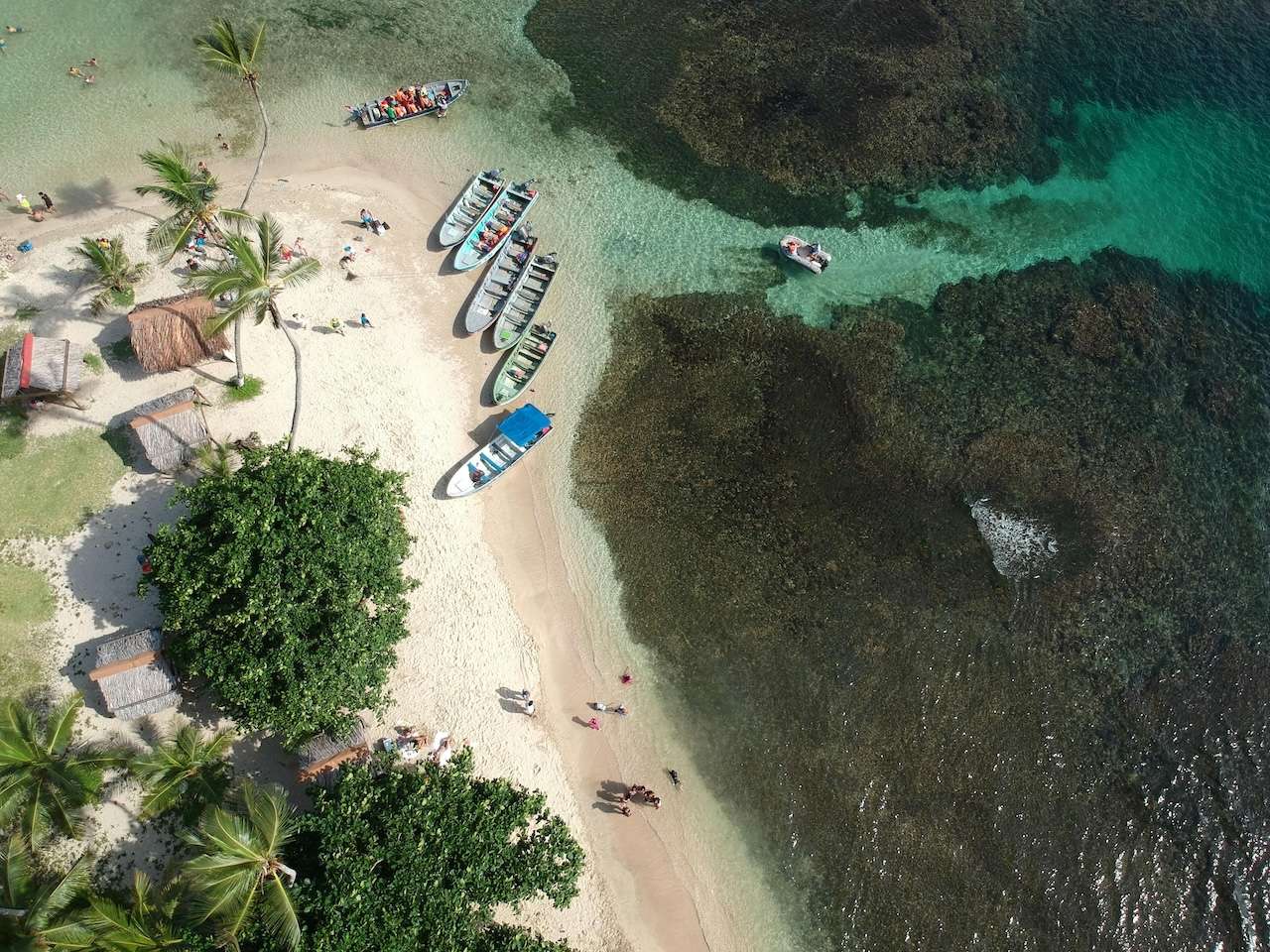
I’m wading in the warm waters of Tonga’s Ha’atafu Beach, crushed coral rolling beneath my bare feet and the symphony of waves crashing against the distant reef my only company. If bliss were a colour, it would the turqoise blue ocean in which I’m swimming, in what is regarded as Tongatapu’s best beach. However, this is not your usual South Pacific story about paradise. It’s also one about plastic waste.
The Workshops Making Waves
A 55-minute flight away, on the northern Tongan island of Vava’u, Vaka & Moana whale watch tour operator ‘Aunofo Funaki has been stockpiling discarded plastic bottles, waiting for the day she could do something constructive with them. That reckoning came late last year, when the Pacific Tourism Organisation (SPTO) staged a two-day plastics repurposing workshop on Vava’u under the Pacific Tourism Waste Action Initiative (PTWAI).
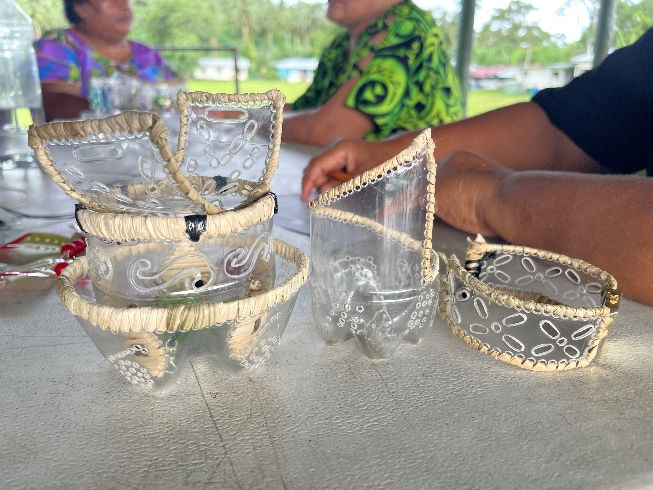
The SPTO estimates plastic pollution accounts for almost 80 per cent of marine debris and is particularly problematic in the South Pacific, which relies heavily on healthy oceans for food security, income and cultural identity.
Since its launch in Fiji in 2019, PTWAI has been active in six Pacific Island countries, training almost 200 participants and earning global recognition. When it was Tonga’s turn, Funaki, who has been involved in the whale watching industry since 1993, was ready.
Tonga’s Trash Issue
After the 2022 eruption of Tonga’s Hunga Tonga-Hunga Ha’api volcano, which killed four people, more than 86,000 bottles of water arrived as part of 200 shipping containers of aid supplies. However, the issue stretches back much farther; generations accustomed to tossing harmless banana leaves in the ocean have never adapted their waste disposal habits for plastic.
“I sail across oceans and see how hurtful rubbish bottles are floating around everywhere,” Funaki says. “We already collect plastic bottles and store them here and wanted to have the techniques to transform them to be useful.
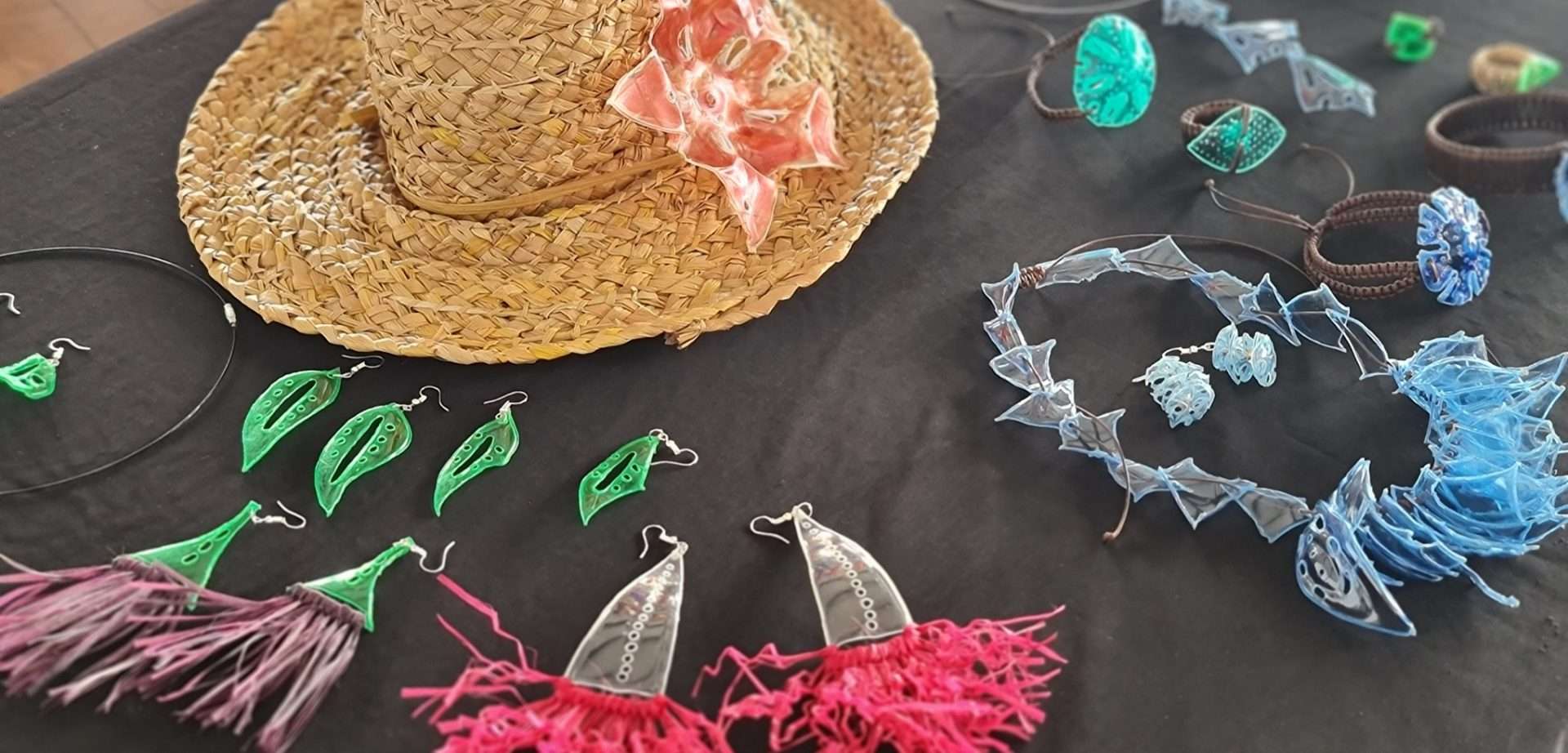
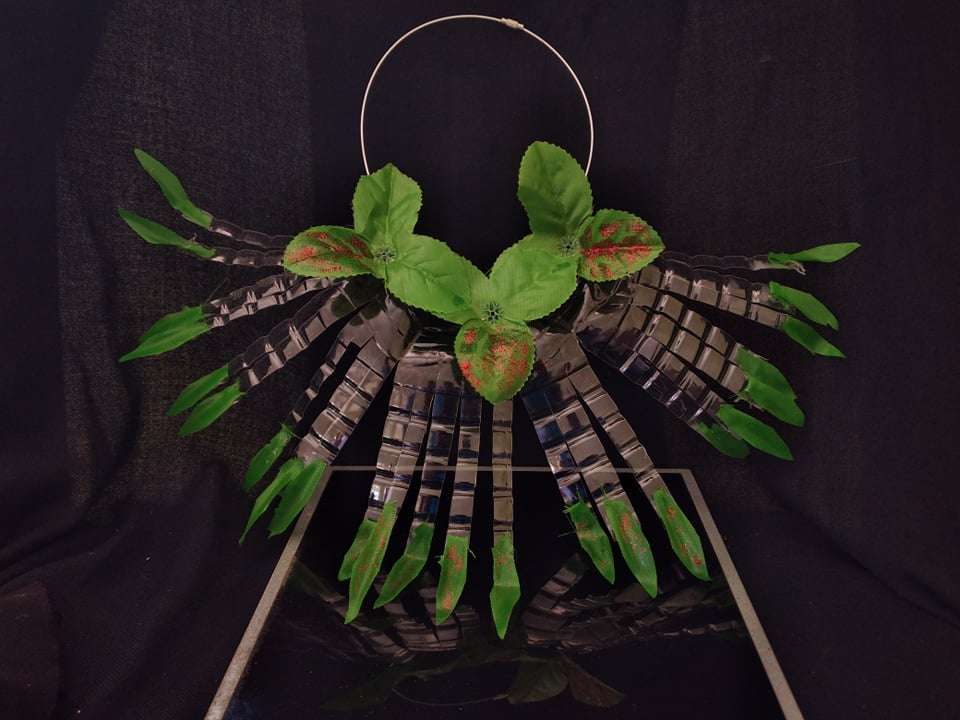
Funaki is among 17 other Tongan participants who learned how to transform plastic bottles into jewellery such as earrings, necklaces and bracelets and small household decorations such as jewellery boxes, vases and ornaments.
“I love working with rubbish. On my birthday I go and work with rubbish and that’s my gift to the environment. We need to think twice about what we throw out, or it is going to come back to us,” she says. “It is a really beautiful initiative because a lot of small nations have plastic. It’s not gold or silver, this transformation is beyond that. This has the potential to change Tonga.” However, she acknowledges the challenges ahead. “It is not an easy task, but if we want the whale watching industry to be sustainable, we need to look at these kinds of things.”
Enter the Sailing Industry
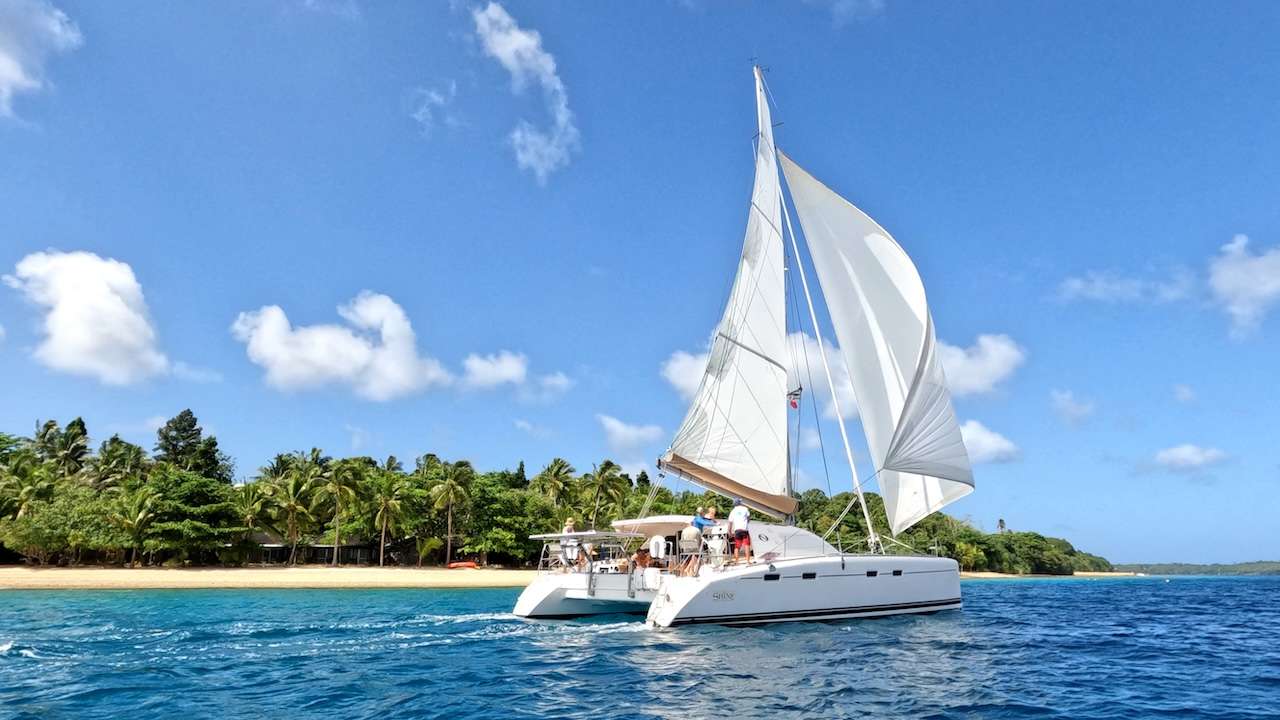
Shane Walker, who brought Sunsail Yacht Charters to Vava’u 30 years ago, says the island is considered one of the top cruising yacht destinations in the world, attracting up to 30 superyachts, and 12 cruise ships a year.
Walker, who these days runs South Pacific Sailing Holidays Tonga, among a slew of other businesses, says the nation’s waters remain so clear due to its lack of rivers and streams, which typically deposit sediment into oceans.
However, Walker admits even businesses like his are hamstrung by a lack of recycling facilities in Tonga, forcing him to buy more than 1,000 plastic water bottles each year.
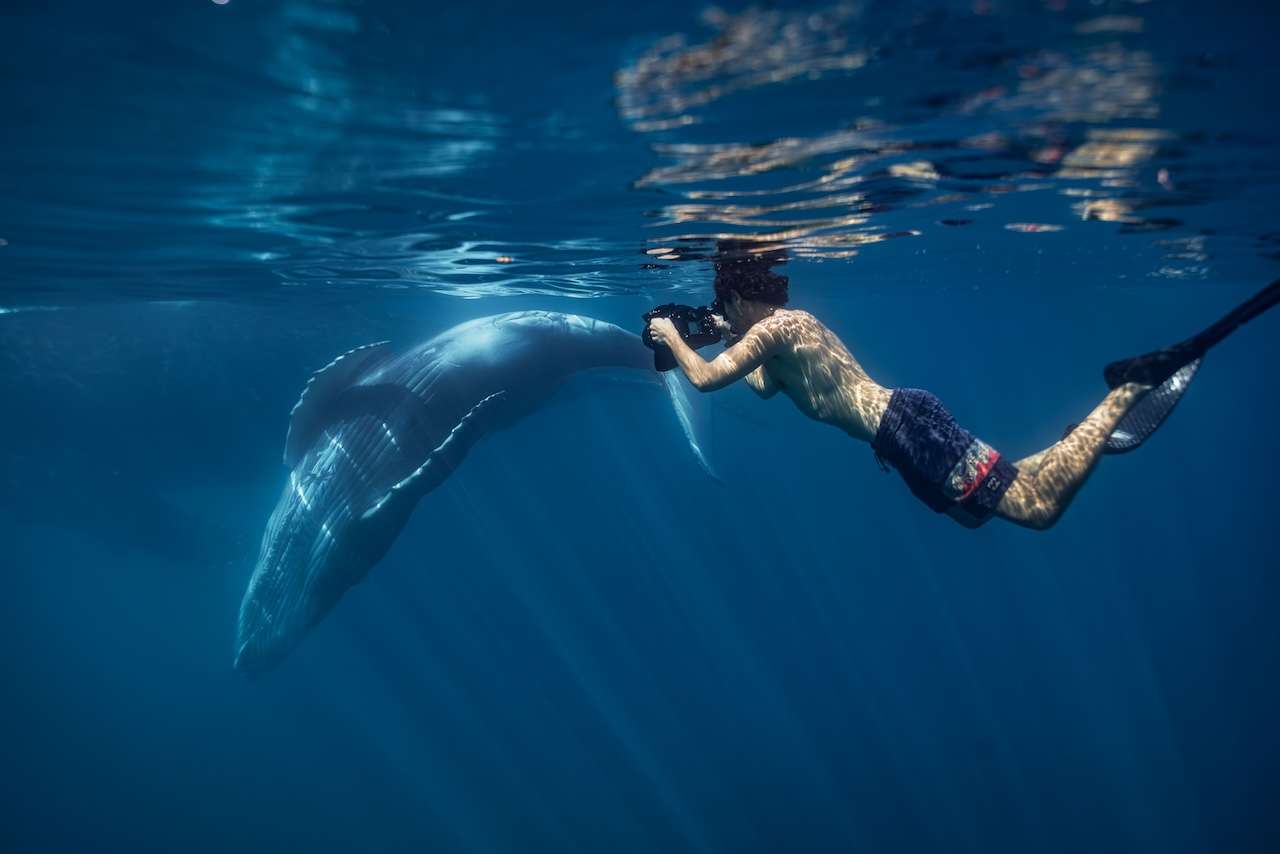
“There is a lot happening, but it’s not that well coordinated. We’ve come a long way and we are still really in the first generation of people who are aware of plastic packaging and the environment,” he says.
Walker says recycling here is largely about education of the next generation, whose grandmothers threw natural food packaging such as papaya leaves straight into the ocean, with workshops such as the one Funaki attended going a long way towards addressing the issue.
SPTO CEO Christopher Cocker says the PTWAI is a powerful example of tourism driving sustainable development.
“It tackles plastic pollution, supports livelihoods, and strengthens community engagement,” he says. “As Vava’u continues to attract adventure tourists drawn to its pristine waters and vibrant marine life, PTWAI offers a timely intervention to safeguard the island’s natural beauty and cultural heritage.”
Most yachts arrive in Tonga during its famed whale season from July to October, berthing between Pangaimotu Island and Nuku’alofa on the main island of Tongatapu.
When the sun sets, you’ll mostly find yachties drinking and eating at the Bill Fish, along the waterfront here, followed by Momma’s Harbourfront Restaurant for her famed Hangover Combination Platter of ota ika, sea urchin, blood clam and local seaweed with coconut.
Recycling Heritage & Culture
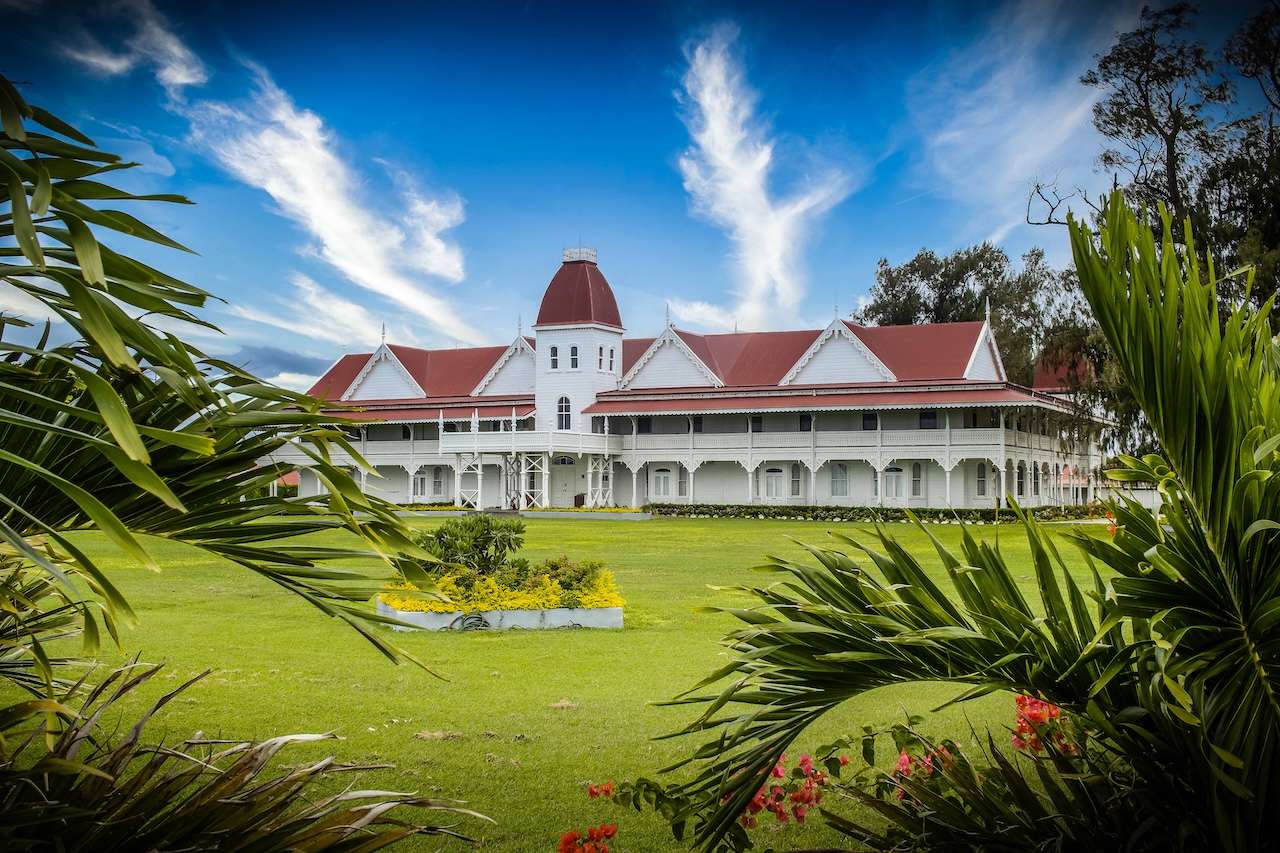
Beyond plastics and partying, local Tongans are still attempting to preserve the nation’s history and heritage through recycling in a variety of forms. Fehoho Arts owner Stiveni Fekoho is considered Tongatapu’s master carver, a skill which was passed down by his father who was the last master carver of the Lemaki Clan, sent by Tonga’s first king to carve canoes.
Stiveni’s recycling prowess lays in carving ox, cow and even washed-up whale bones into trinkets, as well as only using local timbers such as sandalwood, for his larger projects, which include furniture and wooden statues, many of which you can find around the island.
“When I grew up, my father was always building everything. He could fix anything with his hands, just by looking at it. I saw a demand in the market for arts and carving and handicrafts, but it was a lost art. When tourists come here, there is nothing much to offer them, and I found they wanted to meet someone working with their hands,” says Fekoho. “I’m one of the first of the new generation who are reviving these arts, and it has become a full-time thing for me.”
Fekoho offers a range of practical tours for visitors from his Popua workshop, where tourists can learn to carve, and undertake an island immersion to learn about Tongan culture through spoken folklore.
Taking to the Trees
At Tukulolo Tree Houses, American builder Chris Paquette has recycled unwanted timber, tiles, mirrors and glass to build Tonga’s first tree house accommodation. Paquette has partnered with a Tongan friend to build five unique tree houses, each accessible by swinging canopy bridges, in Makaunga Village on the island’s east, using Cuban mahogany, Spanish red cedar, blue and red gum and teak.
Paquette scours the island for timber from felled trees and offers to move them from properties and off the hands of local landowners. “There’s not one tree on this property [Tukulolo Tree Houses] that has been deliberately cut down,” he says.
Creating Connection
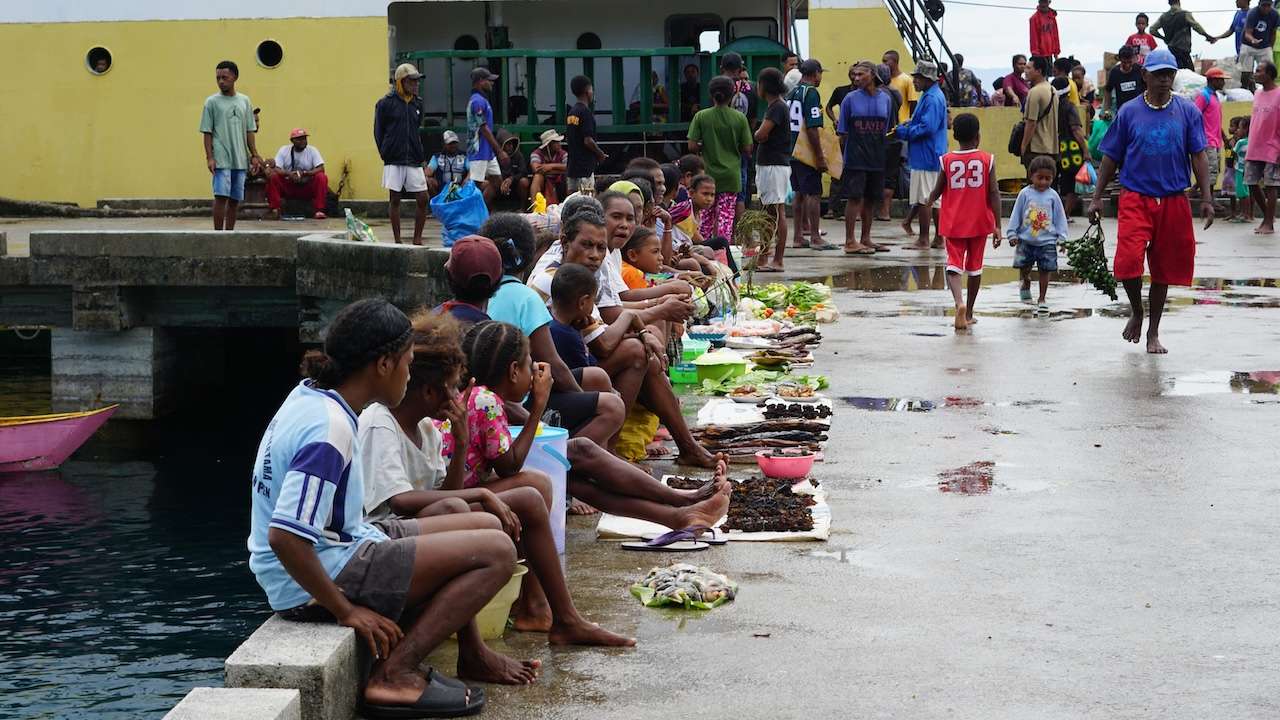
At Ancient Tonga, owner Jessica Afeaki is also preserving her nation’s heritage through a two-hour tour which starts at the Lali – a hollow ironwood tree that plays three distinct sounds, recognised as different call signs by the community.
The tour takes visitors through the healing properties of traditional medicines such as nonu leaf, which is mixed with coconut oil to perform exorcisms; wild turmeric to ward off coughs and colds; and the juice of wild guava leaves to cure stomach pain.
Visitors are also connected with Tonga’s traditions through kava drinking, weaving and coconut husking, before a visit to the onsite museum, which includes a war batten from Captain Cook’s 1773 voyage to Tonga.
“Even though this is the simplest tour, it is important that information is passed down to other generations,” says Afeaki. “Now we even seen Tongan guests that grew up aboard and have returned to make a connection.”
For more Blue Planet coverage, click here.