
on 25 Mar 2026
Across Southeast Asia, a growing luxury travel movement is perfectly enabled by yachts designed for adventure without compromise
For years, the word ‘expedition’ has carried a certain weight, conjuring up images of polar ice, specialist equipment, weeks or months away from home comforts, and trips defined by physical endurance. But today, that is no longer the whole story. While travellers still crave adventure, perhaps more than ever, the way it can be experienced has shifted.
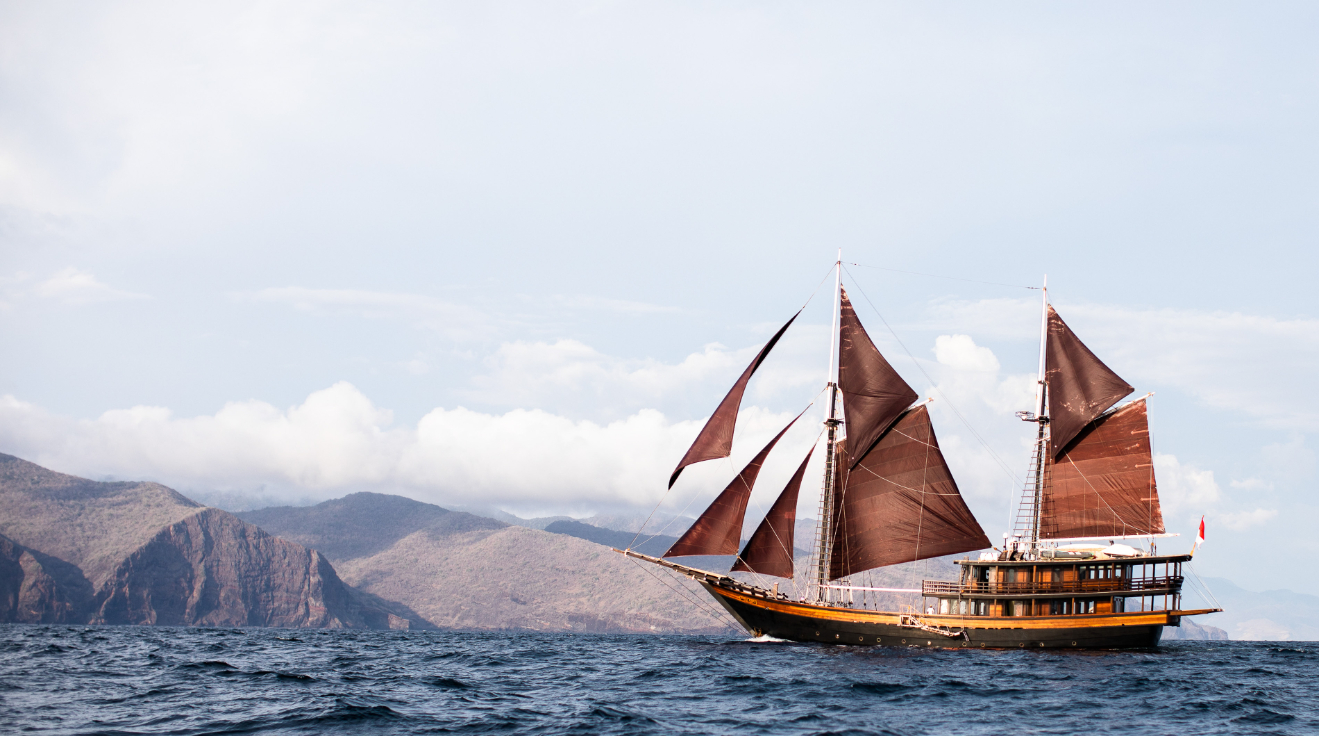
Time is the ultimate luxury, and with that comes a demand for immersive, more transformative experiences that don’t sacrifice luxuries and comfort. As a result, a new style of exploration, known as ‘soft expeditioning,’ has emerged, prioritising meaning, access, and depth while finding its ideal platform aboard a luxury yacht. In Southeast Asia — a region where yachting is increasingly on the rise — soft expeditioning is particularly evident.
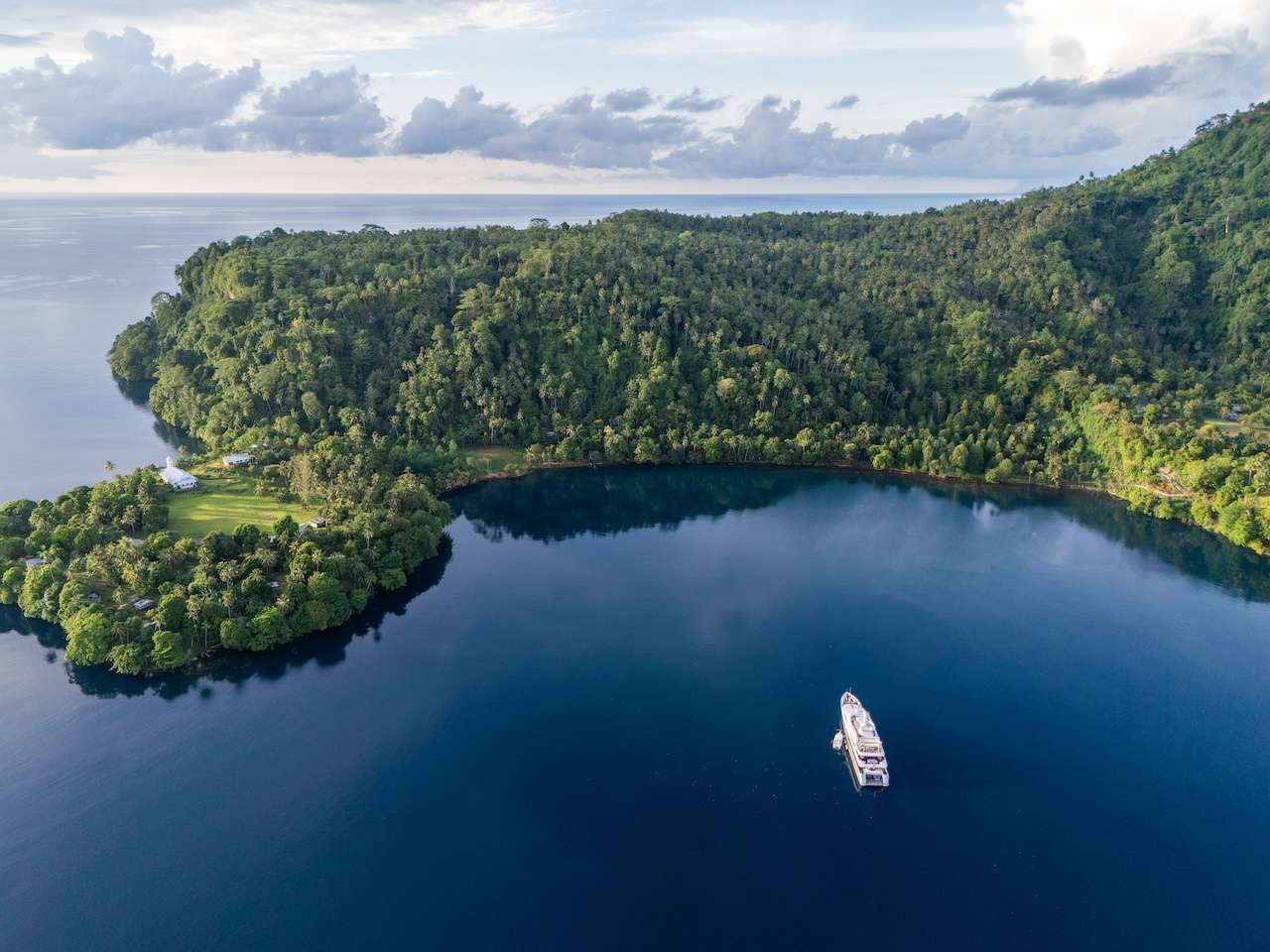
Guests can explore islands, reefs, and villages by day, before returning to the luxuries of a yacht. Even as some areas of the globe become more accessible, vast stretches of jungle-clad coastline remain remote, offering a true, softer frontier for exploration.
A New Type of Adventure
“The hottest ‘new’ product in luxury travel is actually one of the classics: authentic experiences sourced in remote and pristine places,” says Rob McCallum, Founder of EYOS Expeditions. “These immersive experiences feature wildlife, culture, and activities that reinforce the bonds between family and friends and create memory milestones that mark a lifetime.”
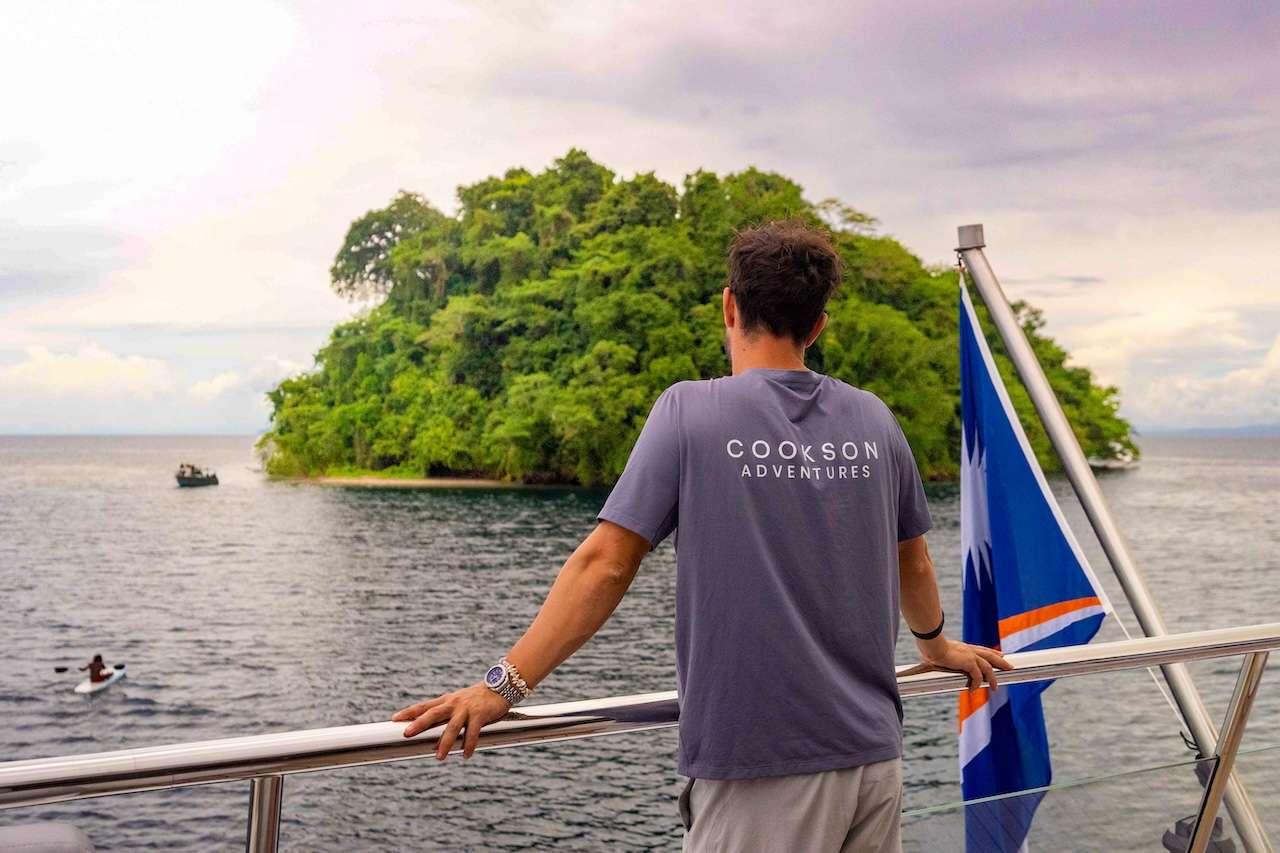
Rather than testing physical limits, soft expeditioning reframes what adventure can look like. It centres on understanding a place, engaging with its people, and experiencing nature. “More people want to explore truly remote regions—to immerse themselves in nature, deepen their understanding of the world, and increasingly to disconnect from everyday life,” explains Erik Hasselman, Head of Yacht Expeditions at Cookson Adventures. “What has changed is that they no longer want to sacrifice comfort to do so.”
A decade ago, Antarctica sat firmly in the realm of hardcore expedition travel. But as Hasselman explains: “Today, while journeys there still require meticulous planning and highly skilled teams, the scale and level of comfort now available mean many Antarctic trips fall into what we’d call ‘soft expeditioning’.”
While the polar regions remain aspirational for many, Southeast Asia’s tropical destinations offer an exciting, warmer, and more flexible alternative. “Antarctica requires meticulous planning, strict permitting, and often lead-in times of up to two years,” says Gayle Patterson, Director of Yachting at Pelorus Yachting. “While we have the expertise to operate there, Southeast Asia offers a very different kind of expedition flexibility.”
The Ultimate Playground
“There are so many hidden gems in Southeast Asia,” expresses McCallum. With over 17,000 islands in Indonesia and 7,000-plus in the Philippines, it isn’t surprising that Southeast Asia has gained huge popularity for yacht chartering. A natural playground for expedition yachting on an immense scale and with staggering diversity, it offers geographic variety and experiential depth, making it ideal for soft expeditioning.
“We operate in areas where guests can experience the most remote and pristine places on Earth and are just an overnight jet flight away from a major Southeast Asia city,” says McCallum. “That balance between accessibility and isolation is central to the appeal. Vast stretches of the region remain lightly visited, and the scale of genuine seclusion is still evident.”
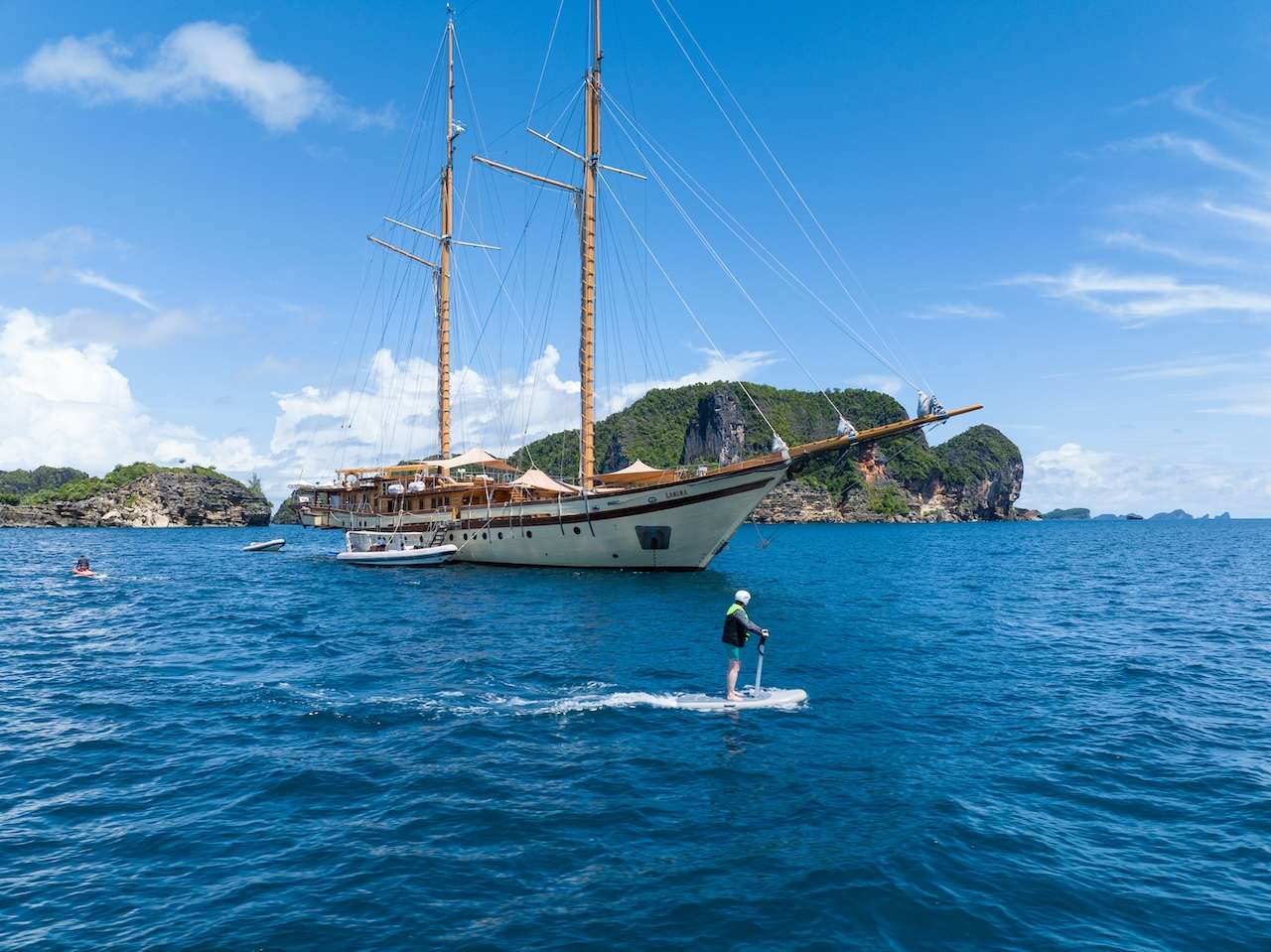
This accessible isolation is a major drawcard. “On a recent expedition through Flores, Alor, and Sawu, we encountered just one other yacht over an entire week,” says Hasselman. “That sense of genuine seclusion is becoming increasingly rare.”
“Indonesia is emerging as Asia’s most compelling soft-expedition destination not because it’s easy, but because it’s extraordinary,” says yachting veteran and director of sales and marketing for acclaimed Indonesian phinisi Dunia Baru, James Sidoti. “And nowhere else offers the same convergence of marine biodiversity, dramatic landscapes, and wildlife — from coral-rich reefs to species shaped by the Wallace Line — all delivered through deeply ingrained Indonesian hospitality.
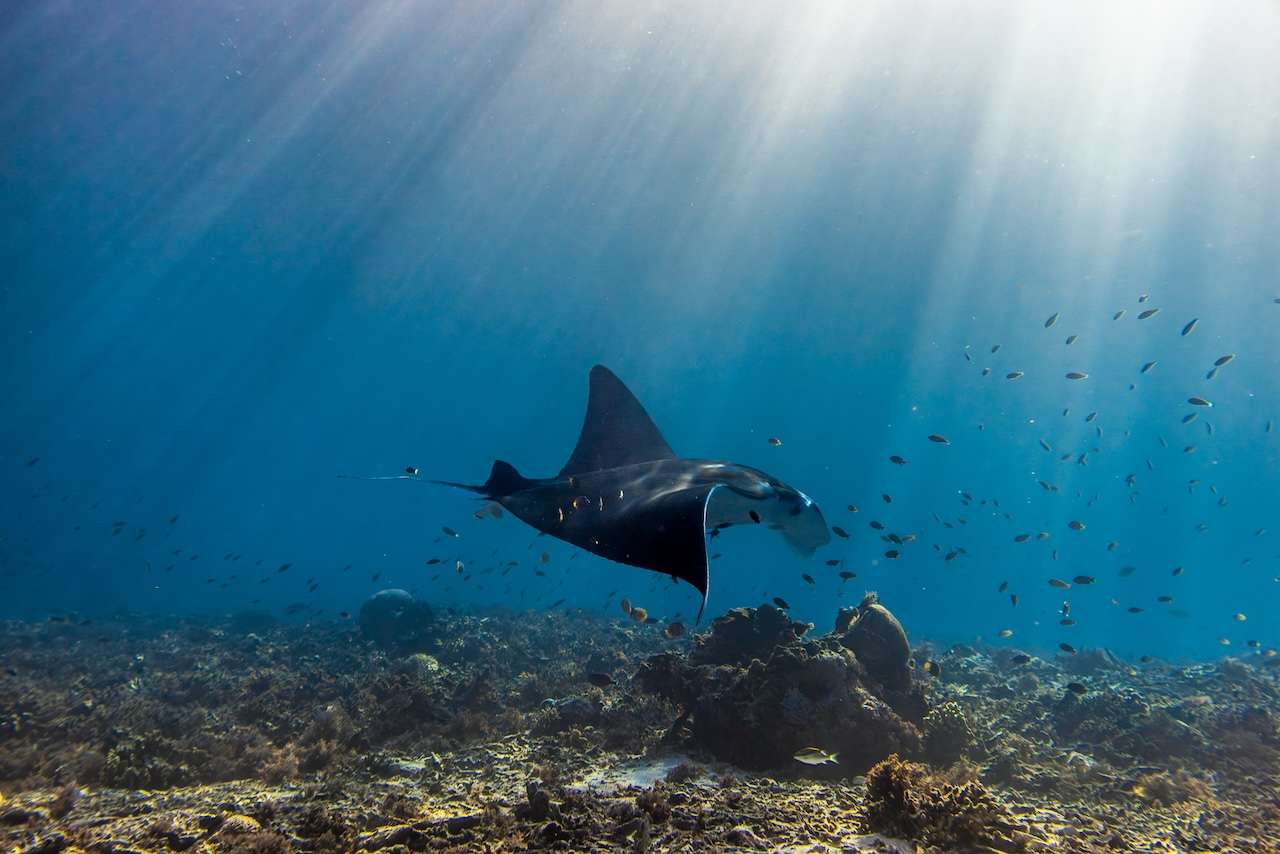
Southeast Asia’s warm air and water temperatures allow for year-round exploration. Patterson comments on the region’s offerings, emphasising: “There is still a strong sense of adventure.” Examples include freediving, night snorkelling, scuba diving, tracking whale sharks, kayaking through mangroves, hiking jungle trails, and visiting villages. “The range of activities offers a far broader and more versatile canvas for soft expeditioning, boasting natural diversity from its ecosystems to local cultures and traditions,” explains Hasselman.
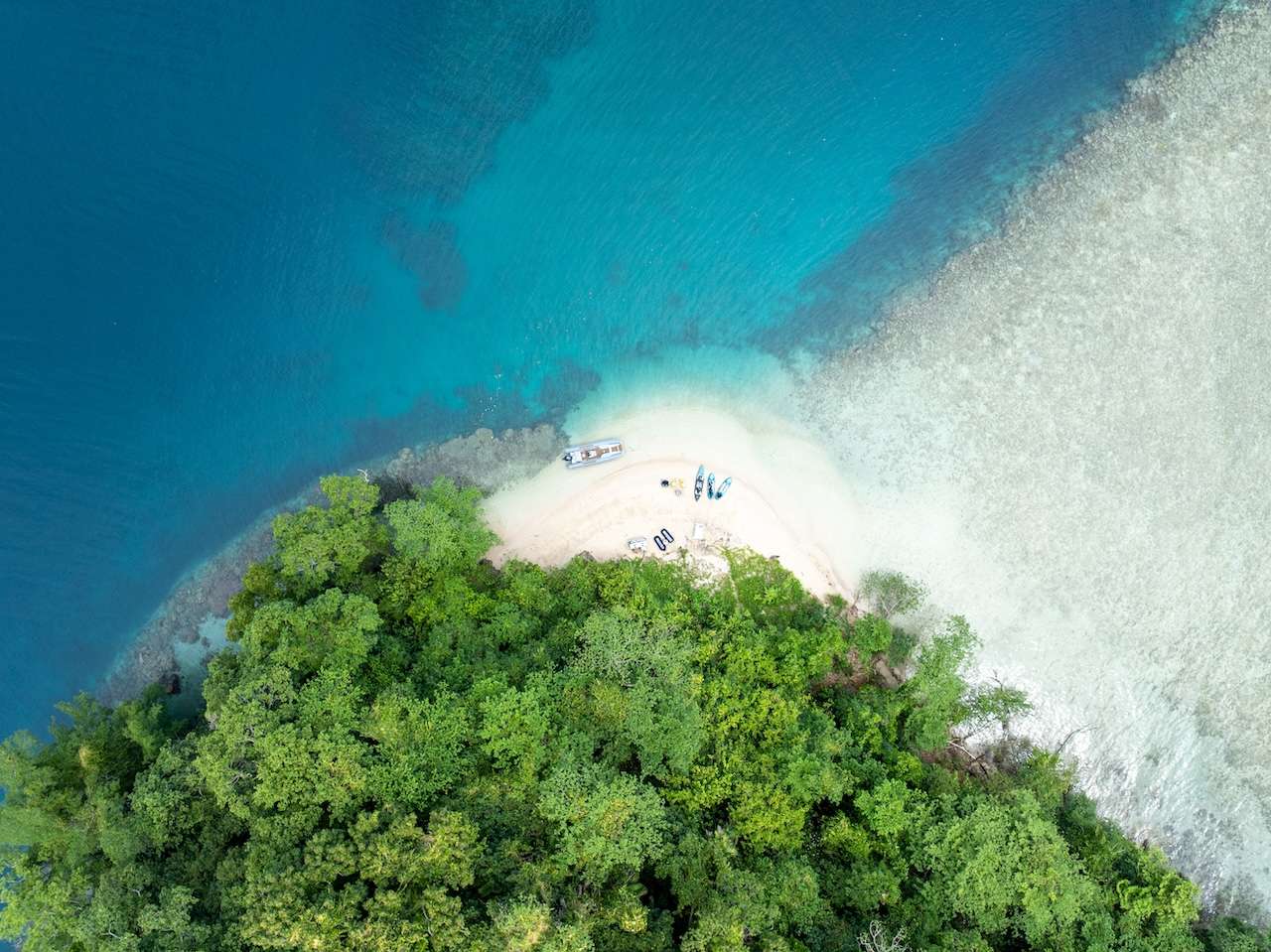
“At the same time, the region offers a broader appeal: easier shore access, calm anchorages, wellness experiences, and castaway beach setups,” says Patterson. “This balance makes it uniquely versatile compared to cold-weather expeditions.”
Unlocking Adventures
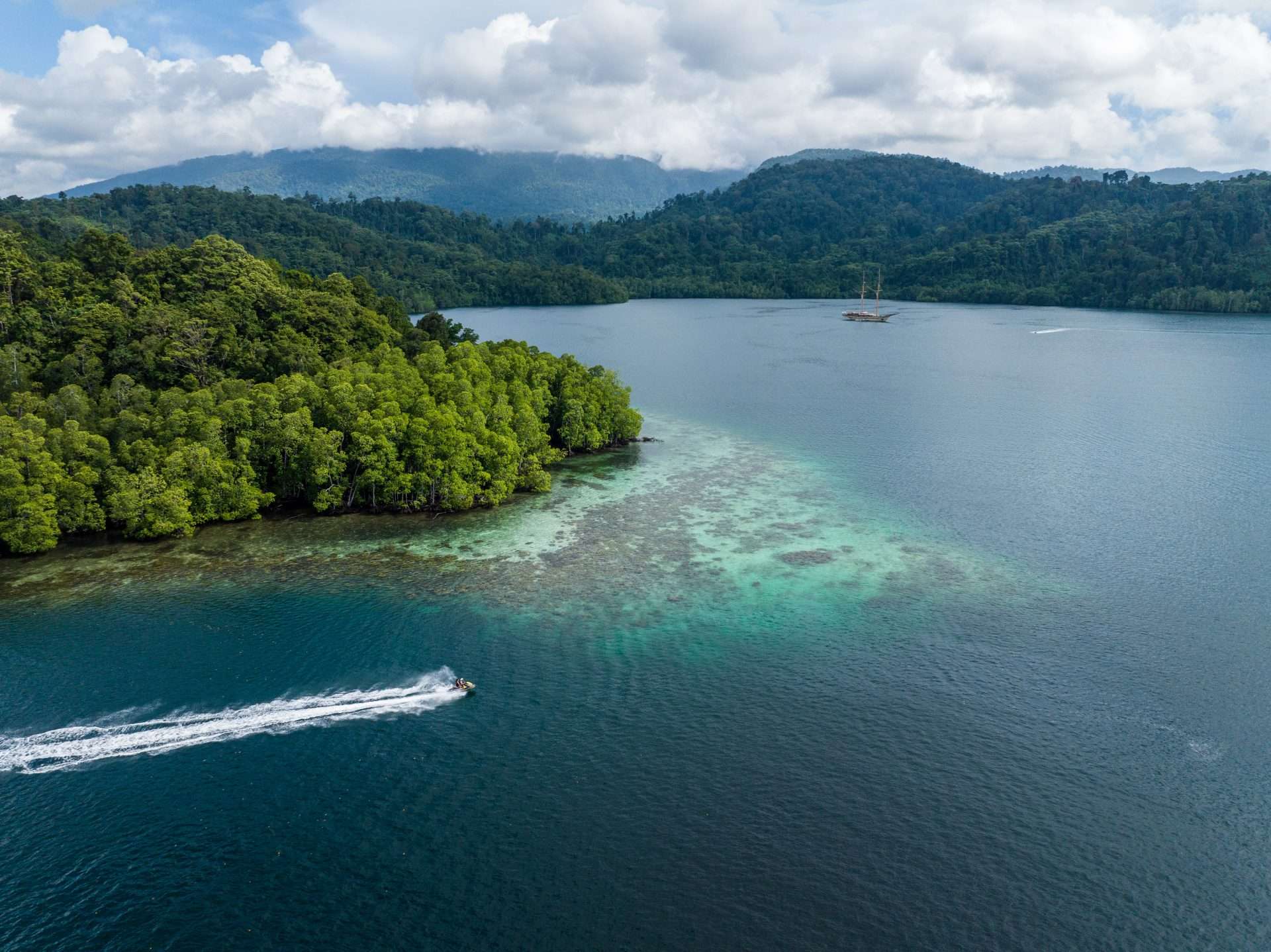
While soft expeditioning is expanding the idea of adventure, a yacht provides new ways experience it. “At its core, a yacht is a platform,” says Hasselman. “It exists to unlock access — to take guests to places that are otherwise difficult or impossible to reach — and to experience destinations in ways that can’t be achieved from land alone.” Guests on these soft adventures can dive remote reefs, hike jungle trails, explore hidden coves by tender, or step ashore in villages.
From a yacht, exploration can happen in every which way, from above to below the surface, on land and in the sky, providing every amenity while serving as launchpads for adventure. “Luxury vessels we facilitate our experiences with are equipped to provide every comfort while serving as launchpads for adventure,” explains McCallum. “We prefer our remote experiences to be ‘six-star’, and the world’s finest yachts provide the perfect means to do so.”
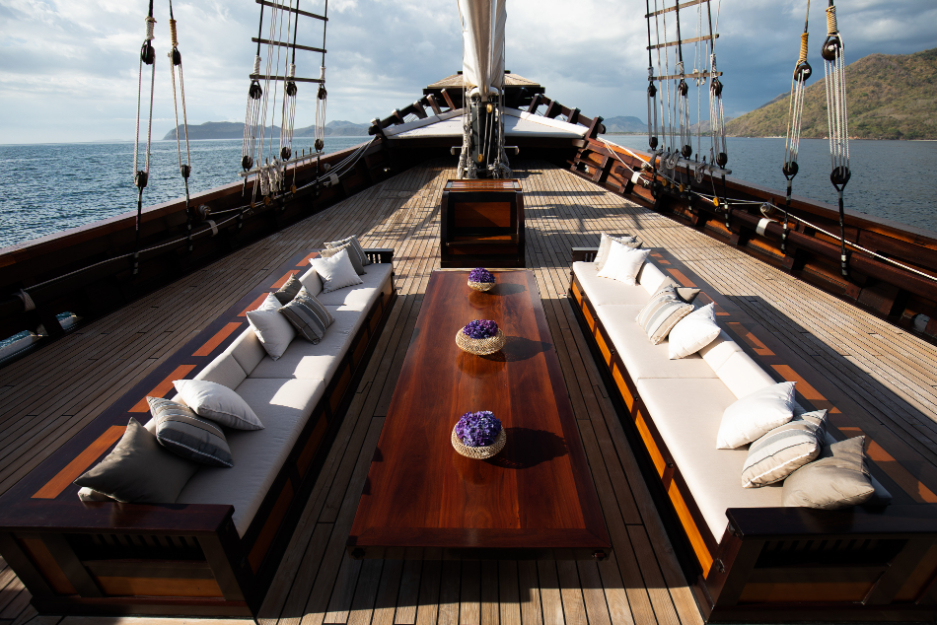
Certain yachts have become highlights of this new style of exploration throughout Southeast Asia. Cookson Adventures frequently works with Silolona and Dunia Baru, both traditional Indonesian phinisis, while EYOS works with the majestic Lamima, another traditional sailing yacht and Pelorus works with yachts like Celestia and the Kunanil Explorer. Years of operating in the region have allowed these vessels, which combine expedition capability with luxurious living spaces designed for both activity and relaxation, and their crews, to build long-standing relationships with local communities.
“A charter on a vessel like Dunia Baru allows time-poor, well-heeled travellers to access some of the most remote regions on the planet while being cared for at a level that feels effortless onboard,” says Sidoti. “It is luxury defined not by excess, but by access, care, and immersion.”
Luxury Without the Compromise
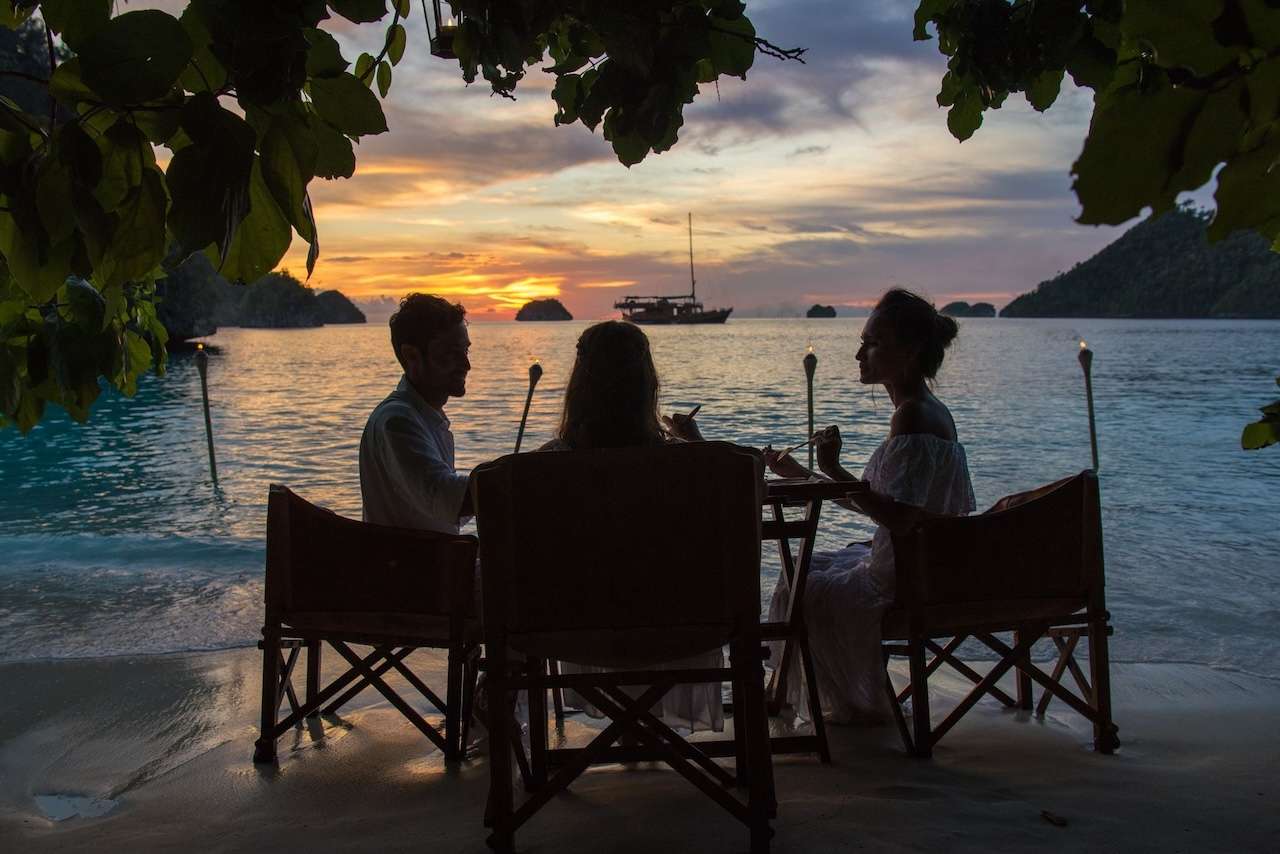
Priorities are shifting in the luxury sector, especially among yacht guests. As McCallum points out: “Success can buy you many of the trappings of wealth, but it cannot buy time. Many of our clients want to maximise their time by ensuring their experiences are genuine, authentic and profound.” Soft expeditioning plays directly into this, recognising that luxury doesn’t need to be stripped to experience adventure.
“One of Cookson Adventures’ defining strengths is the ability to dial up the comfort without losing sight of the exploratory spirit that sits at the heart of the journey,” says Hasselman. The result is luxury living in remote settings, with gourmet meals featuring fresh ingredients, wellness experiences on deck, attentive crew anticipating every need, a fleet of water toys and underwater equipment, and well-appointed amenities and interiors to relax into after a full day of adventure.
A Purpose-Led Future
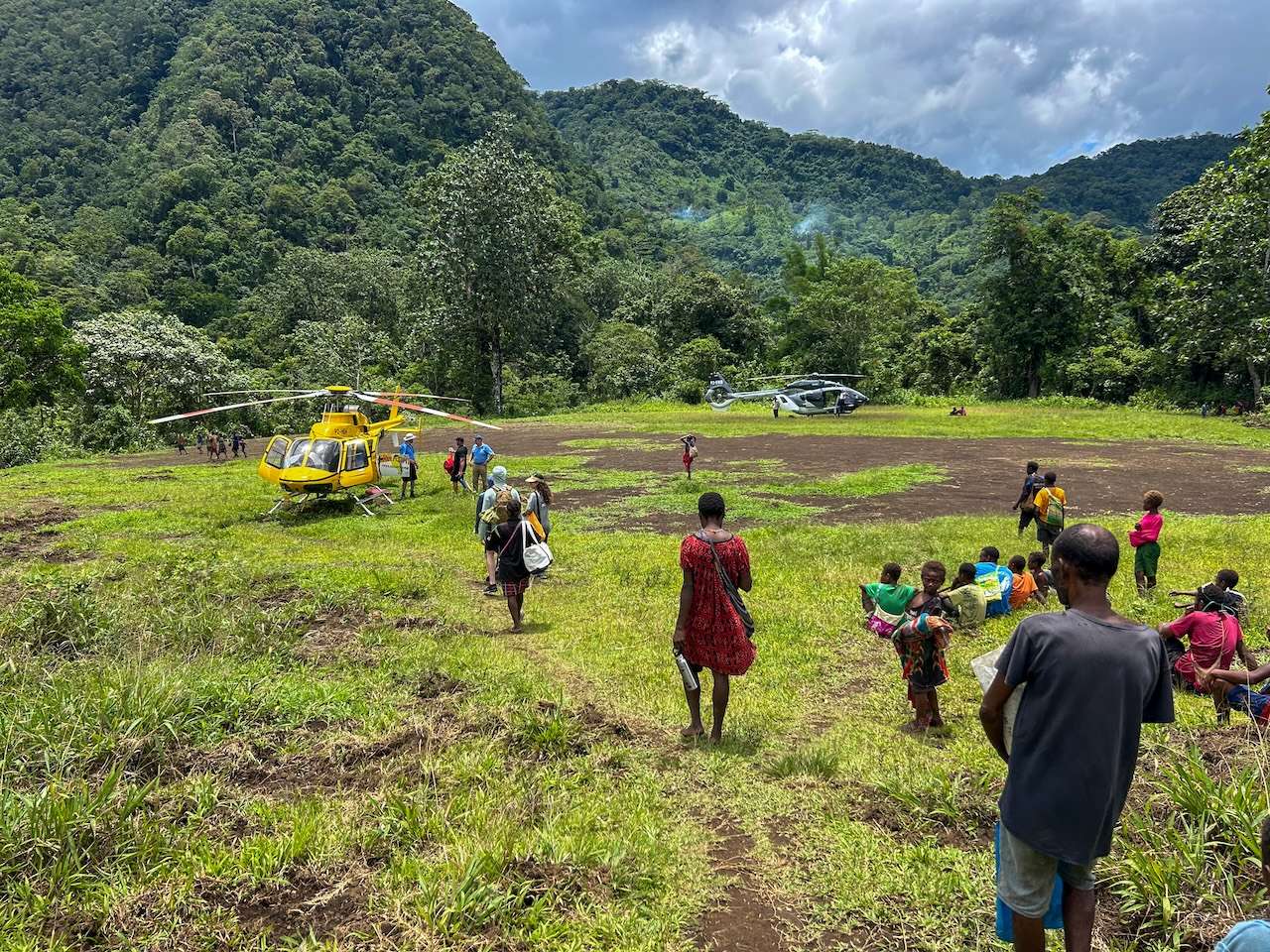
As the yacht expedition scene continues to evolve, purpose is becoming just as important as these pleasures. “Over the next five years, we expect yacht expeditions to become increasingly purposeful. Wherever we operate, our guiding principle is to leave a place in a better state than we found it. That philosophy not only feels essential, but it also creates access to places, communities, and experiences that would otherwise remain off limits,” explains Hasselman.
Across the sector, today’s itineraries increasingly invite guests to actively participate in conservation and community initiatives, from reef restoration and wildlife monitoring to local education projects. “Purpose-led travel, combined with genuine access, is very much the direction in which yacht expeditions are heading, and it’s an exciting space to be part of,” says Hasselman.
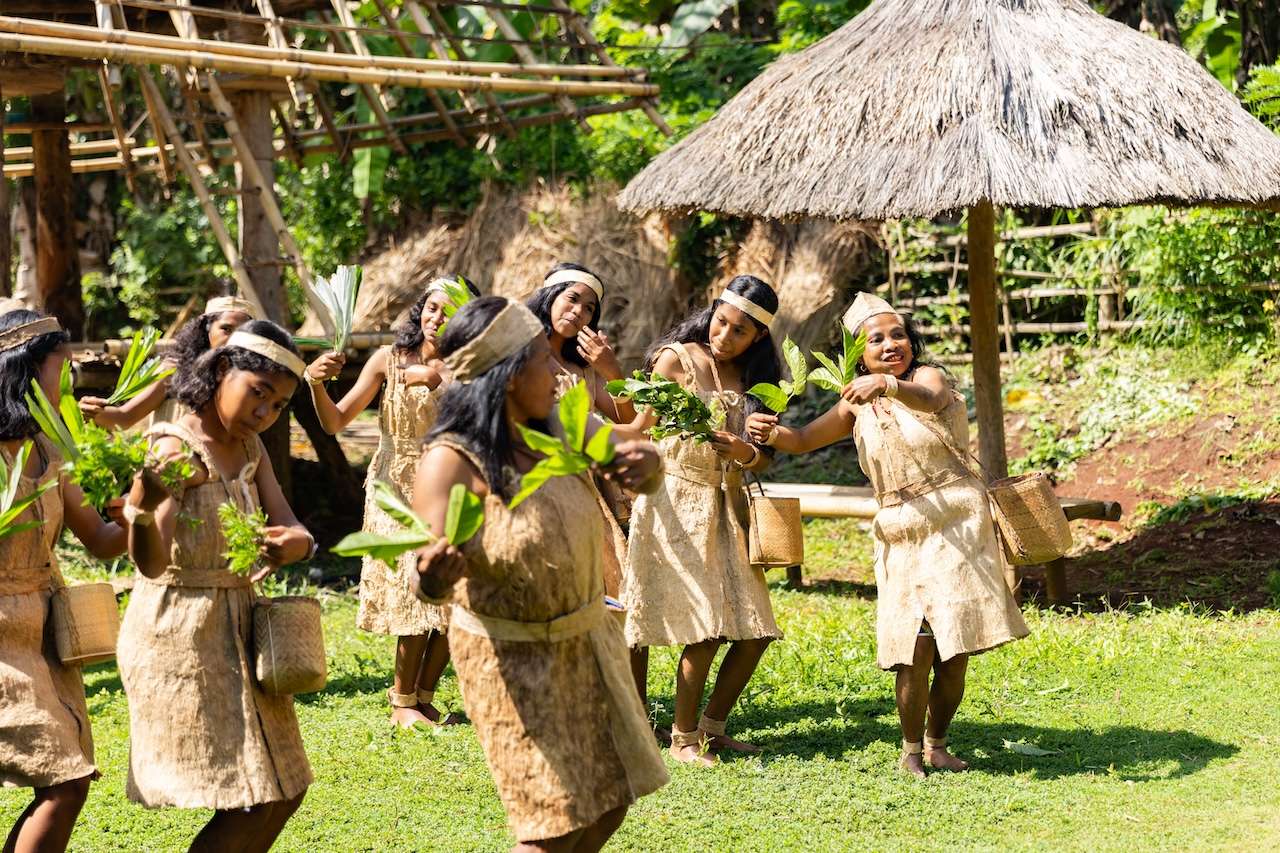
Southeast Asia is particularly well-suited to these developments, offering opportunities to support ecological projects, engage with local communities, and deliver extraordinary adventures. “We expect expedition travel to become increasingly conservation-led, with yachts acting as platforms for purposeful exploration,” says Patterson. “We also see growing demand for onboard specialists, from anthropologists to photographers and filmmakers, or world-class surf instructors to deepen the experience and help guests document their journey.”
For those seeking out extreme expeditions, the opportunities remain. But soft expeditioning opens up a new frontier, and in Southeast Asia, comfort, remote adventure, and authentic access combine to create a fulfilling, softer way to explore.
For more Indulgence, click here